A young “vehicle doctor” with a purpose
.webp)
My name is Elysée Mucho. I have been working as a driver-mechanic with Medair since 2023, based in Goma, Democratic Republic of Congo.
My role is to maintain Medair's fleet of vehicles and motorcycles, ensuring humanitarian teams can reach communities, even in some of the most remote and hard-to-access areas.
A passion born in childhood

My passion for mechanical work began long before I ever imagined working in humanitarian aid.
Growing up in Goma, I was fascinated by every vehicle that passed by. I would constantly ask myself: How do the wheels turn? What happens inside the engine that makes such a heavy machine move?
That curiosity stayed with me throughout my childhood. I wanted to understand how things worked, to take them apart, observe them, and learn from them. Without realising it, that passion was already shaping the course of my future.
From mechanic to humanitarian
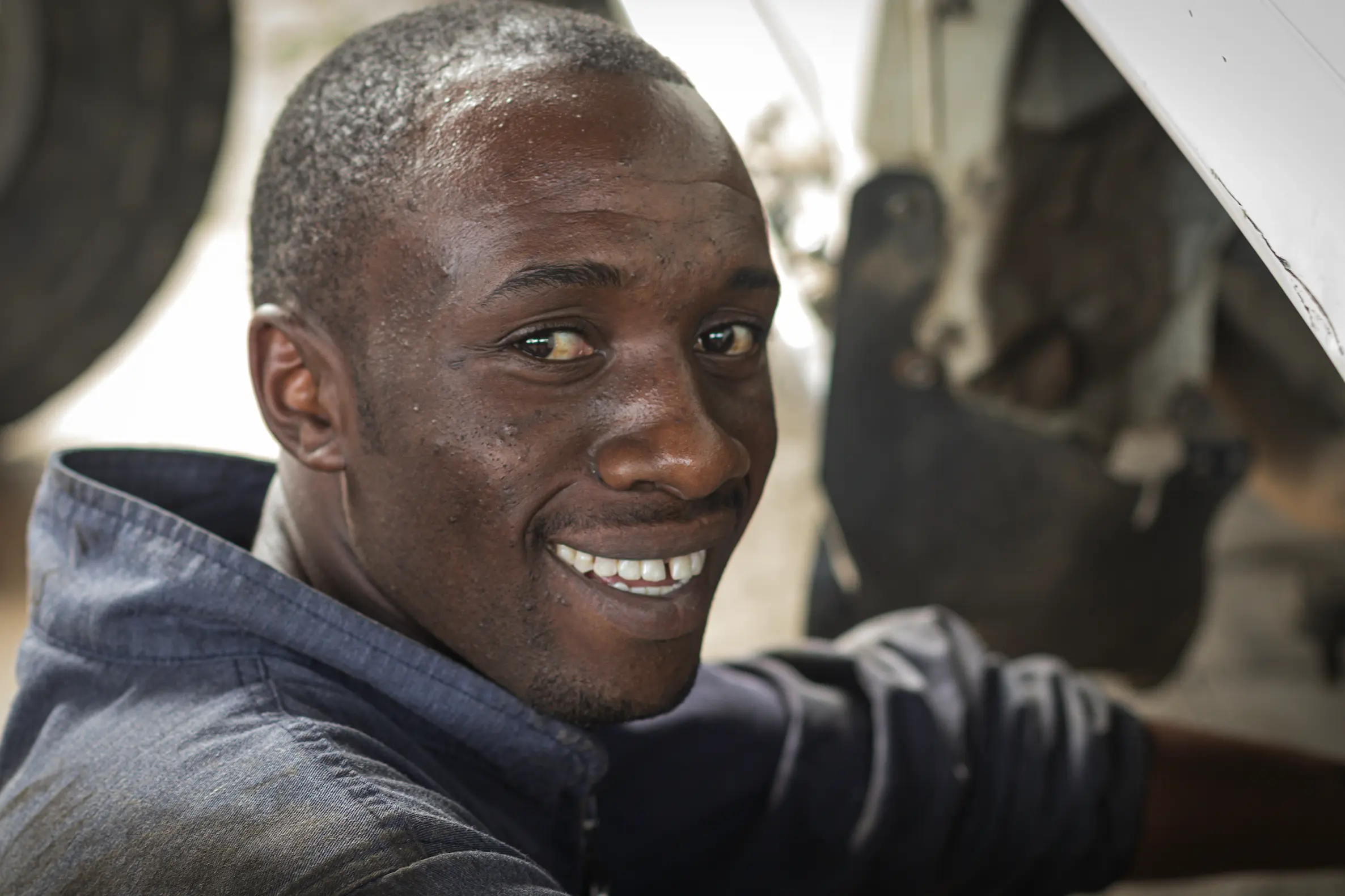
Before joining Medair, I worked in several garages around Goma. I was simply a mechanic. Back then, I never imagined that my profession would one day become an essential part of a humanitarian response.
When I joined Medair in 2023, I did not fully understand the responsibility that came with the role. When people think about humanitarian work, they often think about medicines, aid distributions, or frontline teams. What is less visible is everything that makes those activities possible.
Behind every shipment of medical supplies delivered to a remote community, behind every emergency response mission, there is a vehicle on the road, a motorcycle able to keep moving, and maintenance work that often goes unnoticed.
Every departure is a victory
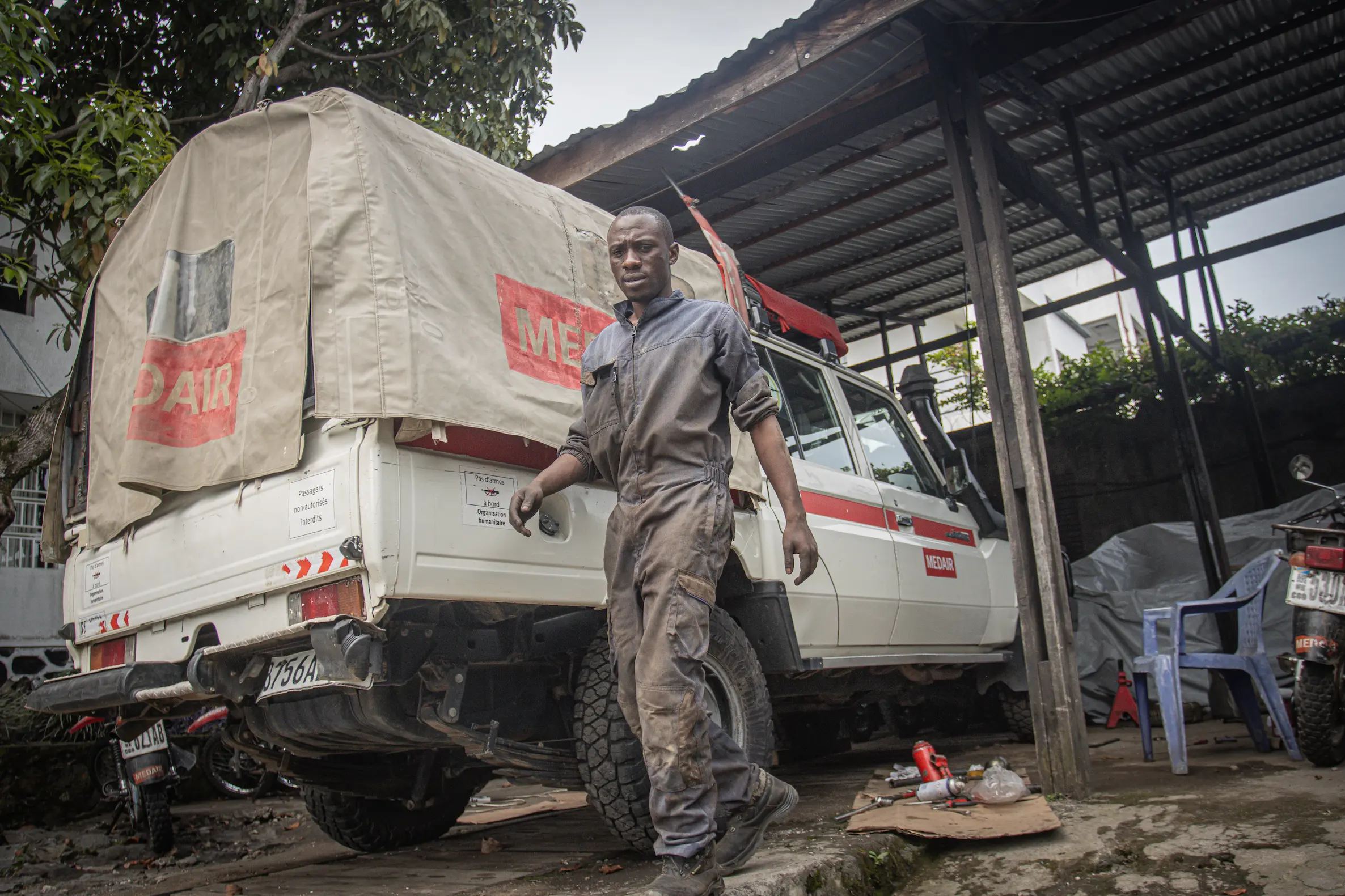
Today, I am responsible for maintaining eight four-wheel-drive vehicles and more than fifty motorcycles at Medair's Goma base.
Every time a vehicle leaves the garage carrying humanitarian staff or life-saving assistance, a part of my work travels with it.
When a vehicle reaches its destination without a major breakdown, it feels like a personal victory. When it returns safely after navigating difficult and damaged roads, it gives me a real sense of pride.
My garage is a clinic

I often compare my work to that of a doctor.
When a vehicle enters my garage, I see it as a patient arriving for treatment. I need to listen, diagnose, repair, and prevent future problems. In many ways, my garage is a clinic, and I am a doctor for vehicles.
This responsibility grows even more during emergencies, when teams must be deployed quickly or medicines delivered within hours. In those moments, I have to anticipate every possible mechanical issue. A breakdown can delay an intervention, prevent aid from reaching people on time, or even put humanitarian staff at risk.
Medair often works in places that are difficult to reach, along roads that are damaged, challenging, or almost non-existent. I always keep these realities in mind to ensure that every vehicle leaving the base is ready for the journey ahead.
Costant challenges
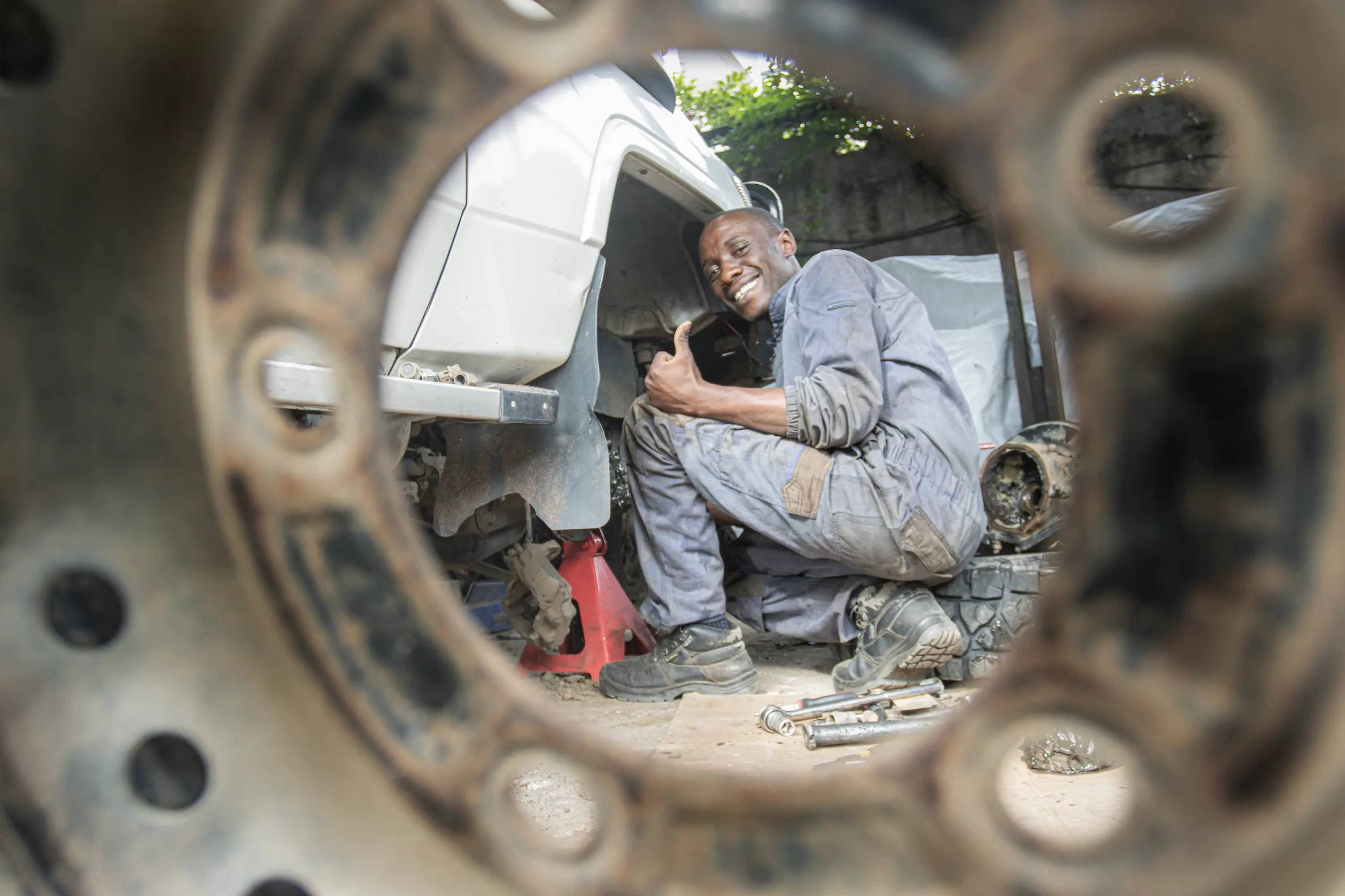
The challenges never stop.
After every mission, vehicles and motorcycles return with new repair needs, worn parts, or damage caused by the harsh terrain. My job is to find solutions quickly so that teams can get back on the road as soon as possible.
I know that if I overlook a problem, the consequences can be significant. That sense of responsibility guides every decision I make and every repair I carry out.
Giving meaning to my passion

The greatest gift Medair has given me is purpose.
Before, I was a mechanic. Today, I contribute to a mission that is much bigger than myself: helping bring relief to people affected by humanitarian crises across the Kivu region of the Democratic Republic of Congo.
That is why I take pride in what I do.
I am 26 years old, and Medair is my first experience in the humanitarian sector. I see this organisation as a place where I learn, grow, and build my future every day.
When I look ahead, I see opportunity. I hope to take on greater responsibilities in fleet management, continue developing my skills, and become one of the best "vehicle doctors" I can be.
Because every humanitarian journey begins with a vehicle that is ready to move. And making sure it gets there safely is my contribution to helping people in need.
Medair's Ebola Response work in the DR Congo is made possible through funding from the US State Department, the DRC Humanitarian Fund, the Swiss Agency for Development and Cooperation (SDC), the European Directorate-General for Civil Protection and Humanitarian Aid Operations (DG ECHO), the Swiss Solidarity Foundation and generous private donors.
This content was produced with resources gathered by Medair’s programme and headquarters staff. The views expressed herein are those solely of Medair and should not be taken, in any way, to reflect the official opinion of any other organisation.
Featured picture © Medair / Daniel Wakandu: Elysée poses in front of the vehicles he regularly maintains in Medair’s vehicle garage.
.webp)
.webp)
.webp)